Upholstery cleaning near Tooting Broadway station tips
If you live, work, or commute through Tooting Broadway, upholstery tends to collect life the way a hallway collects shoes: slowly, quietly, and then all at once. A sofa starts looking a bit tired, the armchair keeps that faint coffee mark, and the dining chair that once looked neat now feels not quite right. This guide on Upholstery cleaning near Tooting Broadway station tips is designed to help you make sensible decisions, avoid common mistakes, and get cleaner results without turning the whole thing into a faff.
Truth be told, upholstery cleaning is one of those jobs people often leave until the fabric looks obviously dull or smells a bit off. By then, you may need more than a quick surface refresh. Below, you'll find practical advice on what the process involves, how to prepare, what to ask, and how to judge whether a clean is worth booking. If you want broader service context too, you can also browse upholstery cleaning and related options such as sofa cleaning, stain removal, and pet stain odour removal.
Table of Contents
- Why upholstery cleaning near Tooting Broadway station tips matters
- How upholstery cleaning near Tooting Broadway station tips works
- Key benefits and practical advantages
- Who this is for and when it makes sense
- Step-by-step guidance
- Expert tips for better results
- Common mistakes to avoid
- Tools, resources and recommendations
- Law, compliance, standards, or best practice
- Options, methods, or comparison table
- Case study or real-world example
- Practical checklist
- Conclusion
- Frequently asked questions
Why Upholstery cleaning near Tooting Broadway station tips Matters
Furniture gets used differently in homes and small businesses near a busy station. There's more foot traffic, more stop-start living, and often less time to stay on top of everyday maintenance. That matters because upholstery is porous. It holds dust, body oils, crumbs, pet hair, drink spills, and the occasional mystery mark that appears overnight and nobody quite admits to. Small things build up.
If you get cleaning right, the difference is noticeable straight away: colours look richer, textures feel softer, and the room tends to smell cleaner without that heavy perfumed cover-up some people rely on. More importantly, proper cleaning can help extend the life of the fabric. That is the real win. Replacing a sofa or a set of dining chairs is expensive, and not exactly thrilling.
Near Tooting Broadway station, timing can matter as much as technique. If you're juggling commuters, deliveries, parking, or a narrow stairwell in a Victorian conversion, you need a plan that fits the property, the fabric, and your schedule. Good upholstery cleaning is not just about extraction and drying; it's about preparation, access, fabric care, and realistic expectations.
Expert summary: The best results usually come from matching the fabric to the right method, checking stains before cleaning starts, and allowing enough drying time. Rush the process and, well, you may end up creating a second problem.
How Upholstery cleaning near Tooting Broadway station tips Works
Most professional upholstery cleaning follows a fairly simple flow, though the details vary by fabric and furniture type. A cleaner should begin with inspection. That means identifying the material, spotting wear, checking stitching, and looking for past repairs or delicate trims. Some fabrics are robust enough for moisture cleaning; others are not. Velvet, silk blends, antique pieces, and certain natural fibres need a gentler touch.
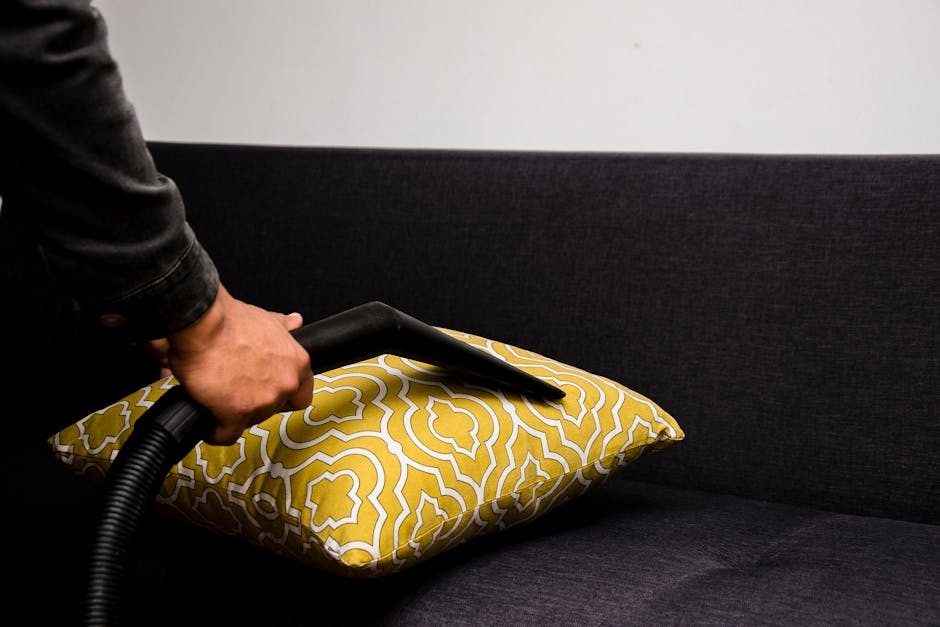
Next comes dry soil removal. This step matters more than people think. If loose dust and grit are left sitting in the fabric, they can turn into mud when moisture is applied. A proper vacuum and careful agitation lift a lot of that first layer away. Then the cleaner targets marks, body oils, and deeper grime using the most suitable method. In many homes, that's hot-water extraction or low-moisture cleaning; in others, it may be a dry compound, foam, or specialist spot treatment.
For sofa and chair cleaning, the process often includes pre-treatment of arms, headrests, and seat cushions because those areas get the most contact. That's where the visible dullness usually begins. The cleaner may use a brush, cloth, or controlled extraction wand depending on the fabric. After cleaning, drying is the final and sometimes underestimated stage. Open windows help. Airflow helps. A damp sofa that sits for too long is nobody's idea of a good afternoon.
If your furniture is part of a broader deep clean, it can make sense to coordinate with carpet cleaning, curtain cleaning, or even rug cleaning so the room feels refreshed all at once rather than half-done.
Key Benefits and Practical Advantages
People usually book upholstery cleaning for one obvious reason: the furniture looks dirty. Fair enough. But the benefits go beyond appearance, and some of them are surprisingly practical.
- Better appearance: Fabrics often regain depth and uniform colour once surface grime is removed.
- Improved comfort: Clean upholstery feels fresher to sit on, especially in warm weather or after heavy use.
- Odour reduction: Food smells, pet odours, and general stale buildup often reduce after a proper clean.
- Longer fabric life: Removing dirt before it settles into the fibres can slow visible wear.
- Better home hygiene: Dust, allergens, and trapped debris are reduced, which matters if you have children, guests, or pets.
- Better presentation for lettings or sales: A fresher sofa can make a room feel more cared for without redecorating.
For commercial settings, the benefits can be even more noticeable. Waiting areas, office chairs, and reception seating give a first impression before anyone says a word. If you're dealing with shared furniture or higher traffic, it may be worth looking at commercial carpet cleaning as part of a wider maintenance plan. Same principle: less visible grime, better presentation, fewer grumbles from staff or visitors.
Who This Is For and When It Makes Sense
This kind of cleaning makes sense for more people than you might expect. It's not only for households with obvious stains. In fact, many of the best-timed cleans happen before a problem becomes dramatic.
You may need upholstery cleaning if:
- your sofa has faded patches, dull arms, or greasy-looking seat areas
- you can smell stale food, smoke, damp, or pet odours in one room
- you've had a spill and the mark has settled in
- you are moving out, moving in, or preparing a property for guests
- you have pets that like the furniture a little too much
- you run a practice, office, salon, or let property with fabric seating
There's also a timing angle. If a sofa is cleaned while the fabric is still in decent condition, the result is usually better and less risky than waiting until stains are old and fibre wear is already advanced. You can still improve a tired piece later, of course, but earlier is easier. Usually.
And if your issue is a stubborn localised mark rather than a full clean, a focused treatment from the stain removal service may be the smarter first step.
Step-by-Step Guidance
Here's a practical way to approach upholstery cleaning near Tooting Broadway station without overcomplicating it.
- Identify the fabric. Check care labels if they are present. If not, look at the weave, the feel, and any manufacturer notes you already have.
- List the issues. Separate general dullness, odours, stains, pet marks, and any fragile areas. This helps the cleaner plan properly.
- Clear the space. Move side tables, cushions, throws, and anything that blocks access. Tiny detail, big difference.
- Vacuum before the visit. Even a quick vacuum removes loose grit and pet hair. That saves time and improves the clean.
- Point out problem areas. Show the cleaner old spill marks, seams, and fabric edges. Some marks look harmless until moisture hits them.
- Ask about the method. A good provider should explain whether they plan to use extraction, low-moisture treatment, or spot-cleaning.
- Check drying expectations. Ask how long the piece may take to dry and what airflow helps most.
- Inspect the result before signing off. Look at the fabric in natural light if possible. A quick glance under a lamp can miss a lot.
One small but useful habit: photograph the item before cleaning starts. That helps you compare results and reduces confusion if a mark was already there. Not glamorous, I know, but practical.
Expert Tips for Better Results
The difference between an average clean and a really good one often lies in the small things. Here are the tips that tend to matter most in the real world.
- Don't over-wet fabric. More water is not better. Excess moisture can slow drying and sometimes spread stains.
- Test first where possible. Even familiar fabrics can react oddly, especially if they've been treated before.
- Be honest about old stains. A long-set coffee mark is not the same as a fresh splash. Expectations should match reality.
- Allow airflow. A fan, open window, or gentle heating can help drying, especially in cooler months.
- Clean regularly rather than waiting. Maintenance cleans are usually easier on the fabric than dramatic rescue jobs.
- Match the clean to the room's use. A family sofa, a rented flat, and a reception chair all age differently.
One more thing: if you have pets, it's worth tackling both visible marks and underlying smells. A surface clean alone can leave the room smelling fine for an hour and then, annoyingly, not so fine later. That's where pet stain odour removal becomes especially useful.
And if you're comparing softness, durability, and washability, remember that not every fabric wants the same treatment. A hard-wearing synthetic mix can often tolerate more aggressive cleaning than a delicate natural textile. The cleaner should say so plainly, not hide behind jargon.
Common Mistakes to Avoid
Some upholstery problems are created long before the cleaner arrives. A few are also created by well-meaning DIY attempts on a Sunday afternoon, usually after someone has watched a five-minute video and decided to improvise.
- Using the wrong product. Bleach, strong solvents, or all-purpose sprays can damage fabric or set the stain.
- Scrubbing too hard. That can fray fibres, push dirt deeper, or leave a patchy finish.
- Ignoring the fabric type. A method that works on one sofa may ruin another.
- Cleaning only the visible mark. Spot-cleaning without blending the surrounding area can leave tide marks.
- Skipping drying time. Sitting on a damp sofa too soon can flatten the pile and trap moisture.
- Assuming every stain will disappear. Some marks oxidise, fade unevenly, or cause permanent fibre change. That's just the honest answer.
Another mistake is not asking about insurance and safety. If somebody is working in your home, especially around electrical items, stairs, or tight access, you want confidence that they follow sensible procedures. A look at the provider's insurance and safety approach and health and safety policy can be reassuring. No drama, just due diligence.
Tools, Resources and Recommendations
You do not need a van full of specialist kit to prepare well, but a few basics make a genuine difference. These are the everyday tools and approaches that help the job go smoothly.
- Vacuum cleaner with upholstery attachment: Good for lifting dust and hair before cleaning.
- Microfibre cloths: Useful for blotting spills gently, not rubbing them in.
- Soft brush: Helpful for loosening dust from textured weaves before a deeper clean.
- Fans or airflow: Very useful for drying, especially in flats with limited ventilation.
- Old towels or clean absorbent cloths: Handy if a spill happens before the appointment.
- Clear notes about stains: Sounds simple, but a quick list of what happened and when can save time.
From a service perspective, it can help to understand how upholstery cleaning sits alongside other treatments. If your furniture includes fabric drapes or delicate lounge items, curtain cleaning may be relevant too. If your chairs are part of a whole room refresh, a combined visit for steam carpet cleaning and upholstery can make the space feel much more complete.
For practical admin, check the provider's pricing and quotes information early. Clear pricing makes comparison easier and avoids awkward surprises later on. Also worth reviewing payment and security so you know how transactions are handled. A little boring, yes. Still important.
Law, Compliance, Standards, or Best Practice
For domestic upholstery cleaning, there usually isn't a single legal rule that dictates one exact method. The more relevant issue is safe, competent practice. In the UK, a responsible cleaner should work in a way that protects the customer, the property, and the fabric. That means using appropriate chemicals, avoiding unsafe over-wetting, and following sensible handling procedures.
If cleaning takes place in a rented property, a commercial premises, or a shared building near Tooting Broadway station, expectations can be a bit more formal. For example, access, timing, noise, and safeguarding nearby surfaces may matter more. Good practice also includes clear communication about limits, drying time, and any fabric risks before work begins.
Another important point is honesty about damage. A proper cleaner should not promise miracles on fragile upholstery or deep dye transfer. They should explain what is likely, what is uncertain, and what may not improve. That kind of transparency matters. It builds trust and helps you make a sensible decision.
You can also check the company's policies for additional reassurance. The pages on terms and conditions and privacy policy are useful if you want a better sense of how bookings, customer information, and responsibilities are handled.
Options, Methods, or Comparison Table
Different upholstery fabrics and situations call for different methods. The right choice depends on the material, the level of soiling, how quickly you need the item back in use, and whether there are stains or odours to deal with.
| Method | Best for | Advantages | Watch-outs |
|---|---|---|---|
| Hot-water extraction | Durable fabric sofas, chairs, and heavier soiling | Deep cleaning, strong soil removal, good for general refreshes | Needs drying time; not suitable for every delicate fabric |
| Low-moisture cleaning | Busy homes, quicker turnaround needs, some mixed fabrics | Faster drying, less disruption, useful for maintenance cleans | May be less effective on deep-set grime |
| Spot treatment | Small stains and localised problem areas | Focused, efficient, good as part of a wider clean | Can leave patchiness if not blended properly |
| Dry compound or dry foam | Delicate fabrics or items that should not take on much water | Lower moisture, useful for specific materials | Not always the best choice for heavily soiled upholstery |
In practice, the best method is the one that matches the fabric, not the one that sounds strongest in a sales pitch. There's no trophy for using the wettest process. Quite the opposite, usually.
Case Study or Real-World Example
A common local scenario goes like this: a family in a flat not far from Tooting Broadway station notices that the two-seater sofa in the living room has become patchy along the arms and seat cushions. There's also a faint smell from a combination of dinner spills, a small dog, and winter months with the windows barely open. Nothing dramatic, just enough to make the room feel less fresh.
Before the appointment, they vacuum the sofa, remove throws, and note the worst marks. During inspection, the cleaner identifies a sturdy synthetic blend with a few older stains and one sharper spill mark. Because the fabric is reasonably robust, a deeper clean is suitable, but the cleaner avoids over-wetting the seams and focuses on careful extraction around the armrests. The result is not "brand new" in the magical sense people sometimes hope for, but it is noticeably brighter, less smelly, and more comfortable to use.
The real lesson? Preparation and honesty do most of the heavy lifting. The family didn't expect perfection, and they didn't get a rushed one-size-fits-all treatment. They got a proper clean that matched the condition of the furniture. That's usually the sweet spot.
Practical Checklist
Use this quick checklist before booking or starting upholstery cleaning near Tooting Broadway station.
- Check the fabric type or care label if available
- List stains, odours, and any areas of wear
- Vacuum the upholstery first
- Move nearby furniture and breakables
- Ask which cleaning method will be used
- Confirm expected drying time
- Ask whether stain treatment is included or separate
- Check access, parking, and arrival timing if the property is tight on space
- Review safety, insurance, and payment details
- Inspect the result before the cleaner leaves, if possible
This kind of prep takes minutes, not hours, and it usually pays off. You'll notice the difference in the final finish, and the whole appointment tends to feel calmer.
Get a free quote today and see how much you can save.
Conclusion
Good upholstery cleaning near Tooting Broadway station is less about fancy promises and more about matching the right method to the right piece at the right time. If you understand the fabric, prepare the room, and ask sensible questions, you're already halfway there. The other half is choosing a cleaner who explains things plainly and treats your furniture with care.
That's the heart of it, really. You want cleaner fabric, better comfort, and fewer surprises. Whether you're refreshing a family sofa, tidying up dining chairs, or dealing with a stubborn pet smell, a careful approach will almost always beat a rushed one. And if you're also planning a larger home refresh, it may help to coordinate with mattress cleaning or upholstery cleaning as part of the same visit.
Near a busy station, life moves quickly. Your furniture doesn't need to show it.
Frequently Asked Questions
How often should upholstery be cleaned in a busy home?
That depends on use, pets, children, and fabric type. Many households benefit from periodic maintenance cleaning before visible wear becomes heavy. If the sofa gets daily use, you may want to review it more often than occasional guest seating.
Can all upholstery fabrics be steam cleaned?
No. Some fabrics can handle moisture well, while others need a gentler or drier method. Always check the material first. A responsible cleaner should inspect the item and explain whether steam or extraction is suitable.
Will upholstery cleaning remove old stains completely?
Not always. Older stains may have changed the dye, fibre, or texture of the fabric. Good cleaning can often improve them, sometimes significantly, but no one should promise perfection on every mark. Honest expectations save disappointment.
How long does upholstery take to dry after cleaning?
Drying time varies by method, fabric, room temperature, and airflow. Low-moisture methods tend to dry faster, while deeper extraction can take longer. Good ventilation makes a real difference, especially in cooler London weather.
Is upholstery cleaning worth it for rental properties?
Yes, often. Fresh upholstery can help a flat or house feel better presented for viewings, checkouts, or new tenants. It can also reduce complaints about lingering smells or visible wear.
What should I do before the cleaner arrives?
Vacuum the sofa or chairs, move small items, and flag any stains or delicate areas. If you can, take a few photos first. It's a simple habit, but it makes the appointment smoother.
Can upholstery cleaning help with pet odours?
Yes, it often can. Pet odour tends to sit in fibres and sometimes deeper in cushioning. A proper treatment may need both stain work and odour-focused cleaning, especially if the issue has been there a while.
Should I choose upholstery cleaning or sofa cleaning?
If the item is a sofa, sofa cleaning is the direct service. Upholstery cleaning is the broader term and can apply to chairs, footstools, benches, and other fabric-covered furniture. In practice, the two overlap a lot.
How do I know if a cleaner is taking fabric care seriously?
They should ask about fabric type, inspect the item before starting, explain the method, and mention drying time and possible limits. If someone sounds vague or rushes through the detail, that's not ideal.
Can upholstery cleaning be done alongside carpet or curtain cleaning?
Yes, and that often makes practical sense. Doing the soft furnishings together can save time and give the room a more even finish. Many people like to combine it with carpet cleaning or curtain cleaning so everything feels fresh at once.
What if I am unsure whether my stain is removable?
That's common. Not every stain is obvious at first glance, and some react badly to the wrong treatment. The safest approach is to avoid scrubbing, note what caused it if you can remember, and ask for an assessment before trying anything stronger.
Where can I compare prices and booking details?
It helps to review the provider's pricing information and service pages before you decide. Clear explanations of what is included can make comparison easier, especially if you are weighing a one-room refresh against a whole-home clean.