Rug cleaning for Tooting Bec Common families SW17
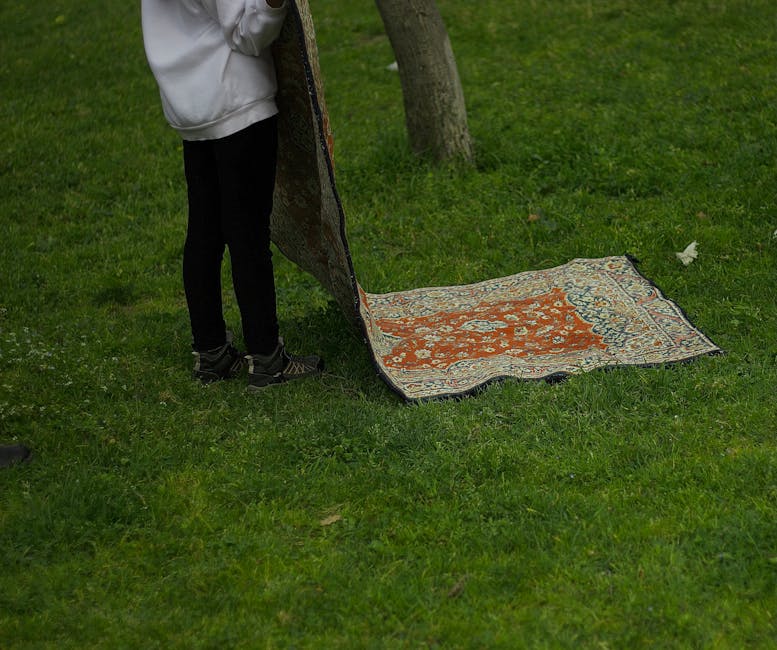
Family life around Tooting Bec Common has a certain rhythm to it: muddy shoes after a walk, biscuit crumbs on the living room rug, the odd juice spill, and that one corner where the dog insists on lying every evening. Rug cleaning for Tooting Bec Common families SW17 is not just about making a floor covering look tidy again. It is about keeping a busy home comfortable, fresher, and easier to live in without worrying every time someone comes in from the park.
If you have ever looked at a rug and thought, "It was nicer last month", you are in the right place. This guide explains how rug cleaning works, what to expect, when it makes sense to book help, and which mistakes to avoid. It also covers practical ways to protect wool, synthetic, and blended rugs in a family home, which is where the real-life mess usually happens. Let's face it, rugs rarely get dirty in neat, predictable ways.
Whether your rug has light soiling, pet odours, a stubborn stain, or just needs a proper refresh, the goal is the same: restore cleanliness without damaging fibres, dyes, or backing. And because homes in SW17 vary so much, from flats near the common to busy family houses with children and pets, the best approach is usually the one that fits the rug, not the other way round.
- Why rug cleaning matters for families in SW17
- How the cleaning process works
- Key benefits and practical advantages
- Who needs rug cleaning and when it makes sense
- Step-by-step guidance
- Expert tips for better results
- Common mistakes to avoid
- Tools, resources and recommendations
- Law, compliance, standards and best practice
- Options, methods and comparison
- Case study or real-world example
- Practical checklist
- Conclusion
- Frequently asked questions
Why Rug cleaning for Tooting Bec Common families SW17 Matters
Rugs do a lot of quiet work in a home. They soften footsteps, warm up rooms, define play areas, and pull a living space together. In a family home near Tooting Bec Common, though, they also catch the stuff that daily life leaves behind. Soil from the park, crumbs from after-school snacks, pollen on shoes, water marks from raincoats, and the general mystery dust that appears no matter how often you hoover.
That matters for more than appearances. Dirt acts a bit like sandpaper in the fibres. Over time, it can flatten pile, dull colours, and make a decent rug wear out earlier than it should. Add in spills or pet accidents and you can get lingering odours, sticky patches, or discolouration that regular vacuuming will not shift. If you wait too long, what started as a surface clean can turn into a much harder restoration job.
There is also the comfort factor. A clean rug changes how a room feels straight away. It looks calmer, smells fresher, and tends to make the whole home feel a little more under control. That sounds simple, but honestly, when the week has been chaotic, simple is good.
Families in SW17 often need rug care that is practical rather than fussy. You want something that works around school runs, pets, weekend visitors, and the occasional muddy detour across the Common. So the real question is not whether rug cleaning matters. It is how to do it properly without creating more work for yourself.
Expert summary: For family homes, rug cleaning is most valuable when it protects fibres, removes embedded dirt, and deals with spills early. A careful, fibre-aware clean usually gives better long-term value than frequent harsh DIY treatments.
How Rug cleaning for Tooting Bec Common families SW17 Works
The exact process depends on the rug's material, weave, age, and condition. A wool rug needs a different touch from a synthetic one. A delicate hand-knotted rug needs more care than a machine-made hallway rug that takes daily punishment from trainers and school bags. Good cleaning starts with inspection, not with a big bucket and optimism.
In a professional-style process, the rug is usually checked for fibre type, dye stability, stains, wear, and any signs of prior damage. That matters because the cleaning solution, water level, agitation, and drying method all need to match the rug. A stain on a wool runner, for example, is not treated the same way as muddy marks on a polypropylene rug in a child's playroom.
Most proper rug cleaning follows a sequence like this:
- Dry soil removal: loose grit and dust are removed first, usually by vacuuming and careful agitation. This stage matters more than many people think.
- Spot assessment: stains, odours, and any colour concerns are identified before moisture is introduced.
- Pre-treatment: suitable solutions are applied to loosen grime and break down specific marks where safe to do so.
- Controlled cleaning: the rug is washed or rinsed using the least aggressive method that still gives a proper result.
- Extraction and drying: excess moisture is removed and the rug is dried under controlled conditions to reduce shrinkage, distortion, or smell.
- Final check: the pile, edges, backing, and remaining marks are reviewed once the rug is dry.
What you will notice is that good cleaning is as much about restraint as it is about effort. Too much water, too much heat, or too much scrubbing can cause more harm than the original stain. That is the bit people tend to discover the hard way.
For homes near Tooting Bec Common, drying is especially worth thinking about. London weather is not always your friend, and indoor air movement matters. A rug left damp in a poorly ventilated room can develop a musty smell fast. Nobody wants the living room to smell like a forgotten gym bag.
Key Benefits and Practical Advantages
There are obvious benefits to rug cleaning, but the practical ones are often the best reason to do it. Here is what families usually gain when rugs are cleaned properly.
- Better appearance: colours look brighter, patterns read more clearly, and the room feels fresher.
- Longer rug life: removing gritty dirt reduces wear and helps preserve the pile.
- Improved comfort: rugs feel softer and more pleasant underfoot.
- Less noticeable odour: food smells, pet scent, and everyday stale air are reduced.
- More hygienic living space: dust, crumbs, and allergens trapped in fibres are reduced.
- Better first impression: useful if you host family, friends, or buyers who notice the details.
- Peace of mind: you stop worrying about that one mark in the middle of the room every time you look at it.
There is also a financial angle, though it should be handled sensibly. Regular maintenance is generally kinder to a rug than replacing it sooner than necessary. If a rug has sentimental value as well as practical value, that matters even more. A rug from a relative, a wedding gift, or a long-standing favourite from a market or design shop can be worth preserving carefully.
Families with young children often notice another benefit too: once the rug is clean, the room feels easier to manage. You spot new spills more quickly. That sounds minor, but it makes daily upkeep simpler. And that, in a busy household, is half the battle.
Who This Is For and When It Makes Sense
Rug cleaning makes sense for more households than you might first think. Some people wait until a rug looks visibly bad, but that is not always the best moment to act. A better rule is to treat stains, smells, and dullness early, before they settle in.
This is especially relevant if you are:
- a family with children who eat, play, and do crafts in the living room
- a household with pets that shed, scratch, or occasionally have accidents
- someone with a wool, silk-blend, or handwoven rug that needs careful handling
- a renter or homeowner preparing for guests, photos, or a move
- managing a hallway, playroom, or dining room rug that gets daily traffic
- someone who notices lingering smells even after vacuuming
- a busy parent who simply does not want to spend the weekend trying to rescue a stubborn stain with a towel and a prayer
It also makes sense if the rug is new enough that you want to protect it properly. Truth be told, the sooner you establish a sensible cleaning routine, the easier it is to keep the rug looking respectable. Waiting until it is badly soiled usually means a deeper clean, more drying time, and less predictable results.
If your rug has sentimental or decorative value, the decision becomes even easier. Family rugs are not just floor coverings. They often anchor a room, tie together colours, and carry memories. So yes, it is worth the effort.
Step-by-Step Guidance
If you want a practical way to approach rug cleaning, use this simple sequence. It will not solve every problem, but it will stop most avoidable mistakes.
1. Identify the rug type
Start with the label if there is one, or inspect the weave, backing, and fibre. Wool, synthetic fibres, cotton, silk, viscose, and blended rugs all respond differently to moisture and cleaning solutions. If you are unsure, assume the rug needs a cautious approach rather than a heavy one.
2. Test for colour stability
Before using any cleaner, test a small hidden area. A colour bleed or dull patch is much easier to prevent than fix. This is one of those boring little steps that saves a lot of regret later.
3. Remove dry debris first
Vacuum both sides if possible, especially the underside of flatweaves and smaller rugs. If grit stays trapped, it can turn into muddy residue once wet. A clean-looking rug can still be full of hidden dirt. Annoying, but true.
4. Treat stains gently and specifically
Food spills, pet marks, mud, ink, and drink stains each behave differently. Blot, do not rub. Start with the mildest suitable method. Pressing harder rarely helps, and it can spread the stain deeper into the pile.
5. Choose the right cleaning method
Some rugs can be safely washed more deeply, while others need a low-moisture or specialist approach. The right method depends on fibre, dye, and backing. If the rug is delicate, expensive, or old, caution wins.
6. Dry properly
Drying is not a side issue. It is part of the job. Good airflow, enough space, and patience all matter. Damp rugs should not be put straight back into a closed room and forgotten about.
7. Check the result when dry
Look at the pile direction, edges, backing, and any stubborn marks after drying. Some marks appear lighter when wet and reappear later. Others disappear only after the rug fully dries. You may need one more targeted treatment rather than a full re-clean.
If you are handling the rug at home, stop before you overdo it. A careful first attempt is usually better than five hurried ones. There is a point where enthusiasm becomes damage.
Expert Tips for Better Results
A few small habits make a large difference with rug care, especially in family homes.
- Act quickly on spills: the first ten minutes matter more than most people realise.
- Blot from the outside in: this helps stop a stain spreading.
- Lift, don't scrub: aggressive rubbing can distort pile and fray fibres.
- Rotate rugs regularly: this helps even out wear in sunny rooms and busy walkways.
- Use entrance mats: less grit comes into the house in the first place.
- Keep pets' favourite spots in mind: if a dog always naps on one corner, that area will need closer attention.
- Watch humidity: damp rooms make drying slower and odours more likely.
- Vacuum consistently: gentle but regular care is often better than occasional deep panic-cleaning.
One helpful habit is to treat rugs as part of the room's maintenance cycle, not as a separate emergency item. If the hallway gets muddy on Saturday, the rug probably needs a check sooner rather than later. Small routine care beats frantic rescue work every time.
And if you have children, be realistic. A rug in a family room is going to live a full life. That is the point of having it. The goal is not perfection, just a clean, comfortable, livable result.
Common Mistakes to Avoid
Most rug damage from cleaning does not come from dramatic disasters. It comes from ordinary mistakes repeated with confidence. That is the awkward truth.
- Using too much water: this can cause shrinkage, backing damage, and long drying times.
- Scrubbing stains aggressively: it can spread the mark or distort the fibres.
- Ignoring fibre type: what works on a synthetic rug may damage wool or viscose.
- Skipping a colour test: one quick check can save a rug.
- Leaving moisture trapped underneath: odours and mildew can follow.
- Using strong household cleaners blindly: some products are too harsh for dyed fibres.
- Putting the rug back too soon: the top may feel dry while the base is still damp.
Another common issue is expecting every stain to vanish completely. Some marks improve dramatically but remain faint. That is not failure; it is just the reality of textiles. The earlier a spill is handled, the better the likely result.
If your rug is antique, silk-based, hand-knotted, or emotionally valuable, do not rush. It is usually better to pause and choose the least risky option than to "have a go" and regret it. We have all done that with something we should have left alone, haven't we?
Tools, Resources and Recommendations
You do not need a van full of equipment to keep a rug in good shape, but a few sensible tools help a lot.
| Tool or item | What it helps with | Why it matters |
|---|---|---|
| Vacuum with adjustable settings | Regular dust and grit removal | Prevents wear and keeps fibres looking fuller |
| White absorbent cloths | Blotting spills | Helps lift moisture without transferring dye |
| Soft brush | Gentle pile lifting | Useful for finishing a clean without rough treatment |
| Clean towels | Drying and pressing moisture out | Better than leaving a wet patch to air-dry alone |
| Fans or ventilation | Drying support | Reduces musty odours and speeds up the process |
| Suitable spot treatment | Targeting specific stains | Should match the rug type and stain type |
For many households, the best recommendation is simple: keep a basic spill kit somewhere accessible. If a drink goes over at 7:30 p.m. while dinner is still on the table, you will not want to go hunting for supplies. A small kit with cloths, a gentle cleaner, and gloves can save a lot of stress.
If you are deciding whether to handle a rug yourself or arrange professional help, think about the following:
- Is the rug valuable, delicate, or old?
- Is the stain recent or already set?
- Can you dry it properly in your home?
- Do you know what fibre it is?
- Would a mistake be costly or upsetting?
If several answers make you hesitate, that is usually your cue to be more careful. Good judgement counts for a lot here.
Law, Compliance, Standards, or Best Practice
For ordinary household rug cleaning, there usually is no special legal process you need to follow as a homeowner. Still, there are sensible best practices that matter, especially if you are using a service provider or handling valuable textiles in a shared building.
From a practical UK perspective, you should expect any reputable cleaner to work with care around health, safety, product handling, and property protection. That means using suitable cleaning agents, avoiding unnecessary risk, and being clear about any limitations before work begins. If a rug is fragile or colour-sensitive, the cleaner should say so plainly rather than promising miracles.
If you live in a flat or shared property, dry times, ventilation, and access routes also matter. Wet rugs moved through communal areas can create slip risks or mess. That is just common sense, but common sense sometimes needs saying out loud.
It is also sensible to check whether a provider has clear policies on insurance, complaints, payment, and data privacy if you are booking work online. Those things are not exciting, granted, but they are part of good service. You can review the company's insurance and safety information, along with its terms and conditions and privacy policy, before arranging anything. That kind of check takes two minutes and can spare a headache later.
If sustainability matters to your household, it can also help to ask about product choice and disposal practices. The company's recycling and sustainability approach may give you a better sense of how it handles waste and materials. Small details, yes, but families notice these things.
Options, Methods, or Comparison Table
Different rugs need different approaches. If you are comparing your options, the main choice is usually between light DIY care, more thorough home cleaning, or professional rug cleaning. Each has a place.
| Method | Best for | Advantages | Limitations |
|---|---|---|---|
| Regular vacuuming and spot care | Routine maintenance | Cheap, fast, low risk | Will not remove deep soil or set stains |
| Gentle home cleaning | Durable rugs with light-to-moderate soiling | Convenient and cost-aware | Risk of over-wetting or using the wrong product |
| Specialist rug cleaning | Delicate, expensive, or heavily soiled rugs | More controlled and often more thorough | Requires booking and may take longer |
A good rule of thumb is this: if the rug is easy to replace and low risk, a cautious home clean may be enough. If it is valuable, sentimental, or not obviously synthetic, specialist help is usually the safer bet. To be fair, many people start with DIY and then decide they would rather not gamble with a good rug. That is perfectly reasonable.
For family homes near Tooting Bec Common, the best method often depends on how the rug lives day to day. A hallway runner that catches mud needs a practical, durable approach. A dining room rug under a table may need stain handling and odour control. A playroom rug needs attention to dust and spill build-up. Different jobs, different needs.
Case Study or Real-World Example
A typical SW17 family situation goes something like this. A medium-sized rug in the living room has been taking the brunt of family life for months. Two children, a dog, weekend visitors, and regular trips in from the park have left it looking flat, slightly dull, and not quite pleasant underfoot. There is also a faint smell that becomes obvious in the evening when the windows are closed.
The first instinct is to attack the visible marks. But once the rug is inspected properly, the bigger issue is revealed: embedded soil and an old drink stain near the sofa edge. A careful clean starts with dry extraction, then targeted stain work, then controlled drying with ventilation. Nothing fancy. Just the right sequence.
After drying, the rug does not look brand new, because rugs are not magic. But the colours are clearer, the pile lifts better, and the odour is gone. The room feels lighter, and the family can use it without side-eyeing the floor every five minutes. That is the sort of result most households are after.
The key lesson? The earlier you handle the problem, the easier it is to improve the rug without stress. If you wait until the marks are deep-set and the fibres are worn down, results are harder to predict. Simple as that.
Practical Checklist
Use this checklist before and after rug cleaning. It keeps things calm and stops you forgetting the obvious bits.
- Identify the rug material and construction
- Check for labels, damage, loose threads, or lifted edges
- Vacuum thoroughly on both sides if suitable
- Test any cleaner on a hidden area first
- Blot spills instead of rubbing them
- Use the mildest effective method
- Avoid soaking the rug unless you know it can handle it
- Allow full drying before putting furniture back
- Check for lingering smells or reappearing marks once dry
- Rotate the rug if wear is uneven
- Keep a spill kit within easy reach
- Schedule regular maintenance before the rug becomes heavily soiled
If you can tick most of these off, you are already ahead of the game. Not glamorous, perhaps, but very effective.
Conclusion
Rug cleaning for Tooting Bec Common families SW17 is ultimately about making home life easier, healthier-feeling, and more comfortable. A clean rug changes a room in a way that is hard to ignore. It softens the space, improves the smell, and makes the whole house feel more looked after. That is especially valuable in a busy family home where spills and muddy footprints are part of normal life.
The best results usually come from early action, sensible methods, and a good match between the rug and the cleaning approach. If the rug is delicate, valuable, or heavily stained, careful specialist handling is often the wiser choice. If it is sturdy and lightly soiled, regular maintenance and prompt spot care may be enough.
Either way, a bit of attention goes a long way. And honestly, when a room looks and feels calmer, everyone notices.
If you want to compare service details, check practical support pages first, including pricing and quotes, contact information, and the main rug cleaning service page for next steps.
Get a free quote today and see how much you can save.
Frequently Asked Questions
How often should families in SW17 have rugs professionally cleaned?
It depends on traffic, pets, children, and the rug material. Busy family rugs often benefit from periodic professional cleaning, while lighter-use rugs may need less frequent attention. If it looks dull or smells stale, that is usually your clue.
Can I clean a wool rug at home safely?
Sometimes, yes, but wool needs a careful approach. Use minimal moisture, test cleaning products first, and avoid aggressive scrubbing. If the rug is valuable or delicate, specialist help is usually safer.
What should I do first if my child spills juice on a rug?
Blot the spill immediately with a clean white cloth, working from the outside of the stain inward. Do not rub. Then use a suitable mild treatment if the rug type allows it. Speed matters more than heroics.
Are pet odours removable from rugs?
Often, yes, especially if the issue is treated early. Pet odour removal usually works best when both the surface contamination and any absorbed moisture are dealt with properly. Deep-set smells may need more than a quick freshen-up.
How long does a rug take to dry after cleaning?
Drying time varies with fibre type, cleaning method, room temperature, airflow, and rug thickness. A thin synthetic rug may dry faster than a thick wool one. Full drying is important before the rug goes back into use.
Will rug cleaning remove every stain?
Not always. Some stains fade significantly but do not disappear completely, especially if they have set in or have already been treated badly. Earlier cleaning gives the best chance of a strong result.
Is steam cleaning suitable for all rugs?
No. Steam or hot-water methods are not suitable for every fibre or weave. Delicate rugs, some natural fibres, and certain dyed pieces can be damaged by excess heat or moisture. Always check suitability first.
What is the difference between rug cleaning and carpet cleaning?
Rugs are usually movable, which means they can often be treated more carefully and with methods suited to their specific construction. Carpets are fixed in place, so the process and access are different. The two are related, but not identical.
Can regular vacuuming really make a difference?
Yes, very much so. Vacuuming removes loose grit before it sinks deeper into the pile and causes wear. It will not replace deep cleaning, but it does help rugs last longer and look better between cleans.
Should I move furniture off the rug before cleaning?
Ideally, yes, at least where practical. Moving light furniture helps give full access to the rug and speeds drying. If the furniture is heavy or awkward, do not risk injury or damage. Safety first, always.
How do I know if my rug needs specialist care?
If the rug is antique, handmade, silk-based, heavily stained, water-sensitive, or emotionally valuable, specialist care is usually the safer route. When in doubt, a cautious assessment is better than a rushed clean.
Is rug cleaning worth it for an older rug?
Often it is, if the rug still has structural life left in it. Cleaning can improve appearance and comfort, though it will not fix worn backing or severe fibre loss. A good inspection helps you decide whether cleaning or replacement makes more sense.
Can I book rug cleaning around a busy family schedule?
Yes. Many households prefer to time cleaning around school runs, work-from-home days, or weekends when the room can be left to dry properly. A little planning saves a lot of hassle. And in a busy house, that matters more than people admit.